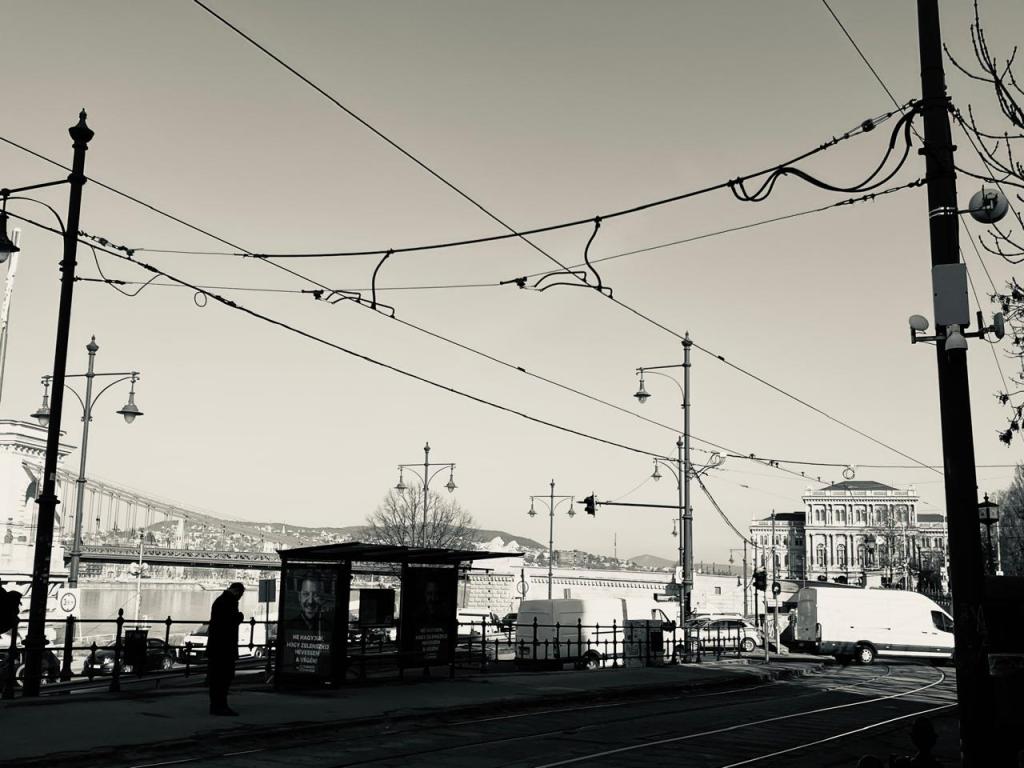
The fire awakens, the queen of the Danube awakens, the settlements merge into one whole, into one beauty. Festive ball on the water, bridge ball. Erzebet, Szabadsag and Szechenyi hid/brigde are just a few that magnificently connect Budim and Pesta.
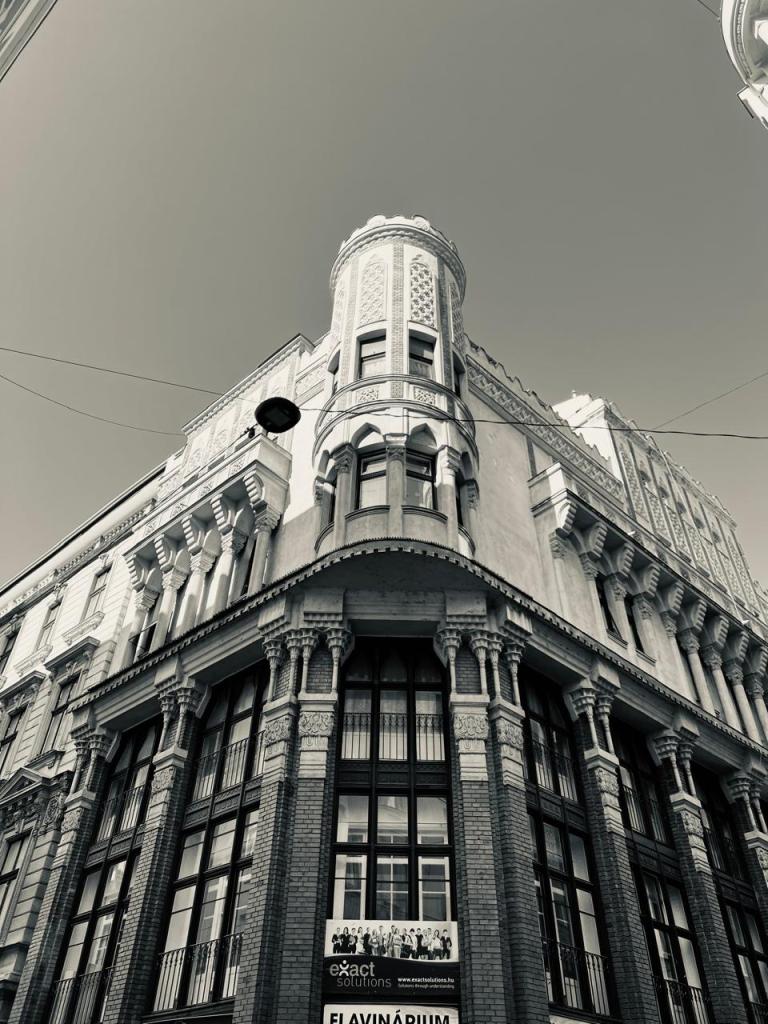
It is really interesting to read about the history of this city and Hungary in general. If we start from the 6th century, then it is a mixture of Slavic culture, the Hun Empire, the Arpad dynasty, the Ottomans, the Habsburg and Austro-Hungarian monarchies. Today's Budapest was created by the combination of the residential Buda (Buda) on the hill, then the historical Óbuda on the west bank of the Danube with the flat, industrial Pest in the east.

  I have been to this beautiful city several times. It is the only city where I could always walk alone, let the city guide me through its historic streets and discover its mysterious corners. Every corner here has its own story, protecting its own century. And people are extremely proud, serious. There is not much room for humor and spontaneity, but that does not affect the positive, extremely positive experience. It leaves room for understanding "the" diversity.

The first thing that comes to my mind when we mention this city is the Hungarian Parliament. It is built 1905.for the show, for the spectacular amusement just like the Eiffel tower. It was empty until they found the today's purpose-to be a Parliament. It belongs to the Renaissance Revival architecture depicting Hungarian symbols like famous soldiers and rulers. There are statues of Árpád, Stephen I and John Hunyadi.

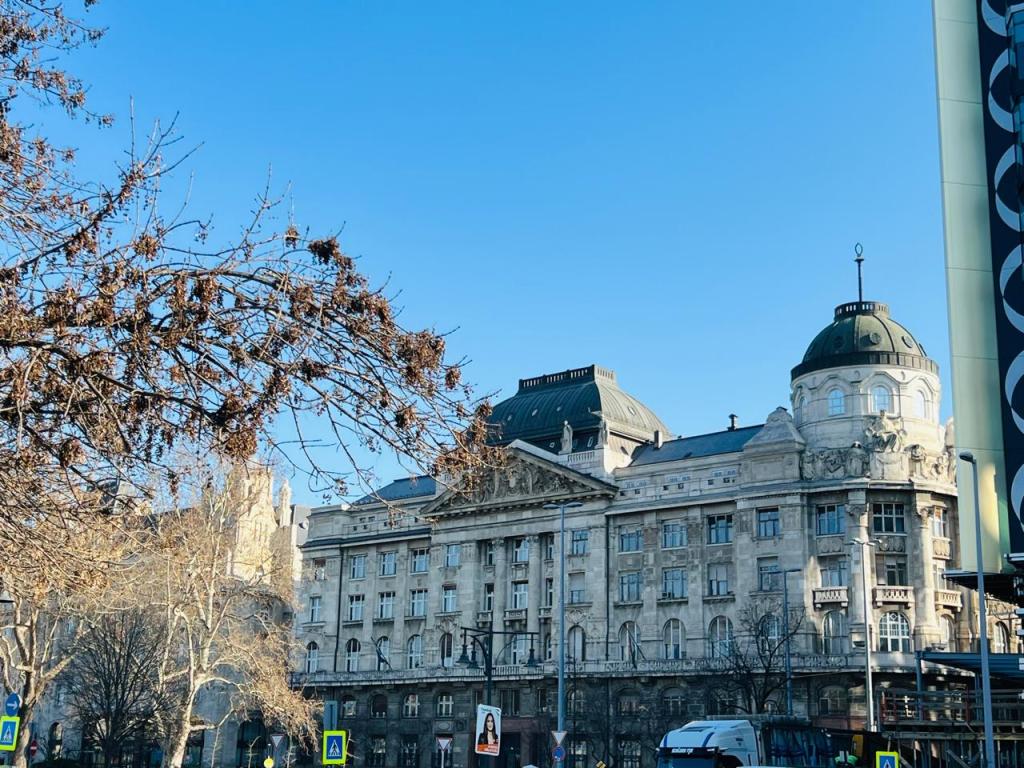
There are too many stops in this city that can "read" to you their own stories so it is like travelling to so many different times and epochs. Some of those places are Szabadscg ter/Liberty square that includes soviet war memorial, but also holds statues of western influence and contribution.

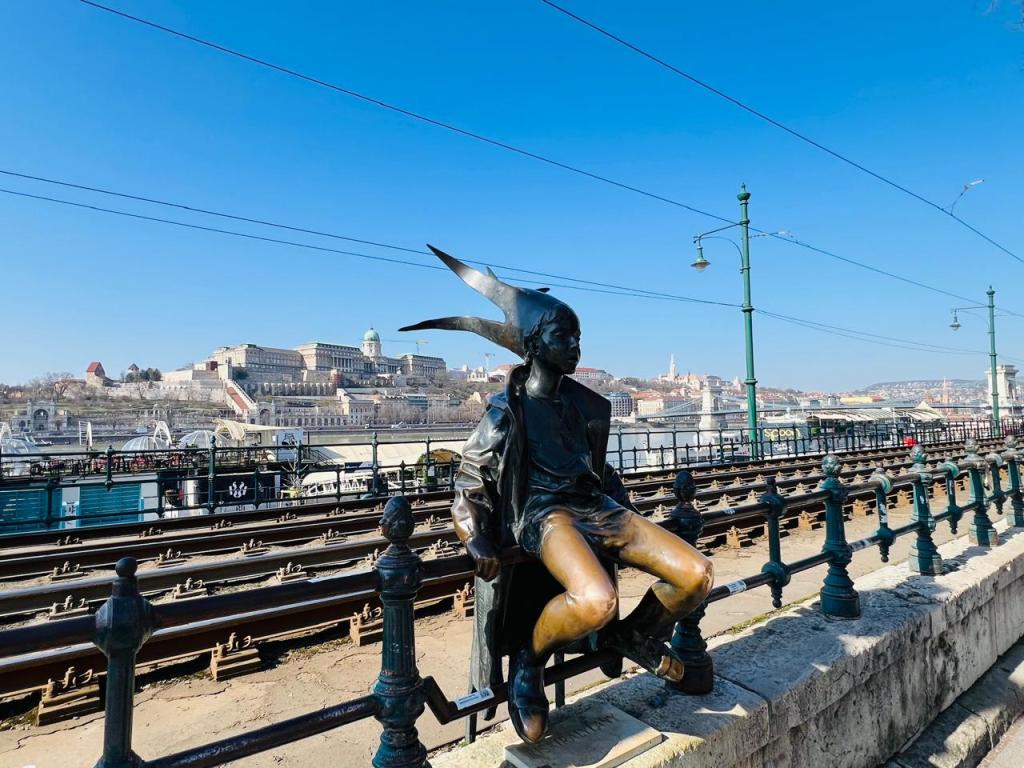
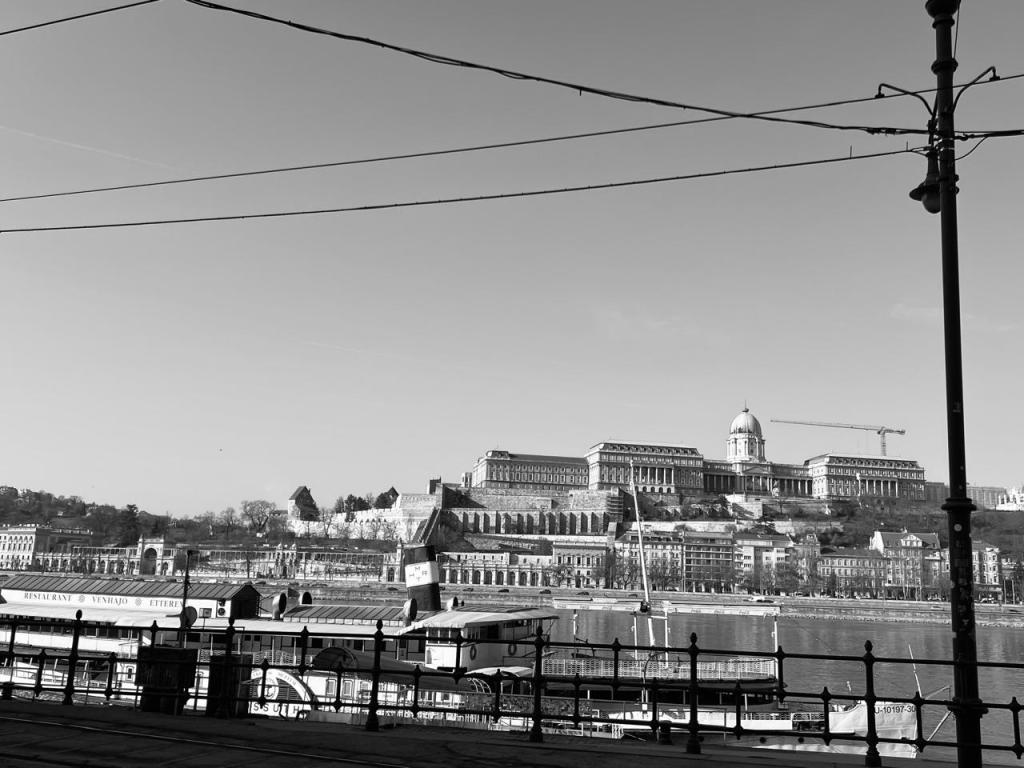
Gellert Hill or Citadella is one beautiful fortification on the hill overlooking the largest river in Europe- Danube. On this side of the Danube is a magnificent Buda castle with white, neo-gothic Matthias Church, Fisherman bastion built in the late 19th century, a lush castle garden and the impressive Royal palace (Budavari Palota) itself.

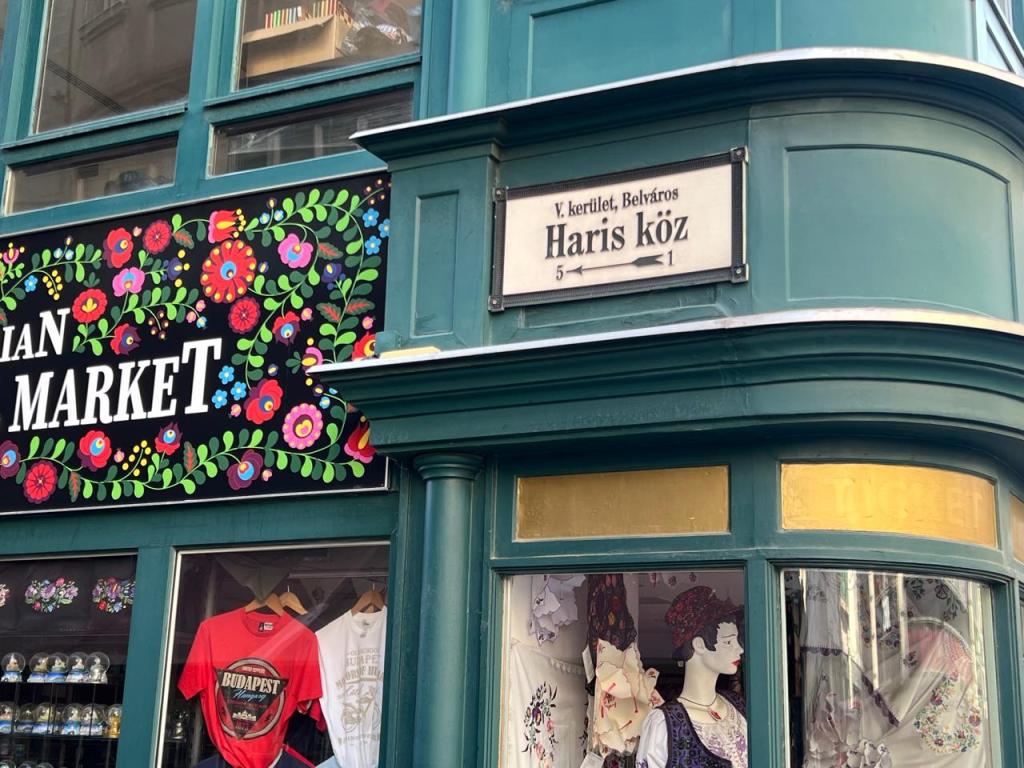
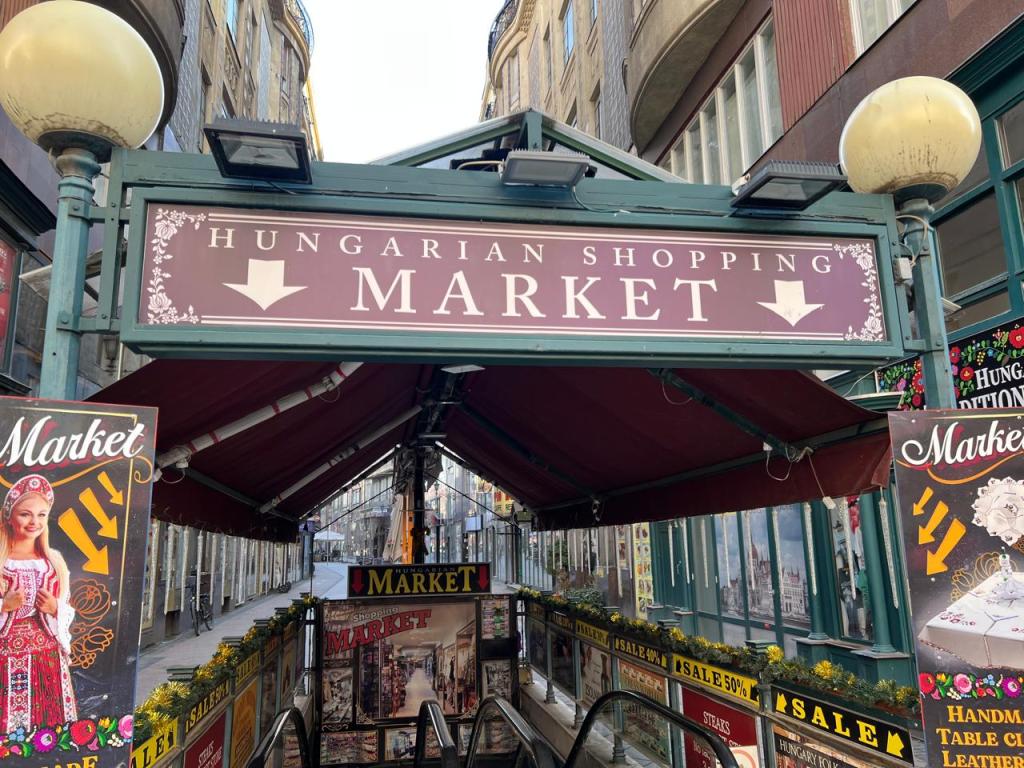
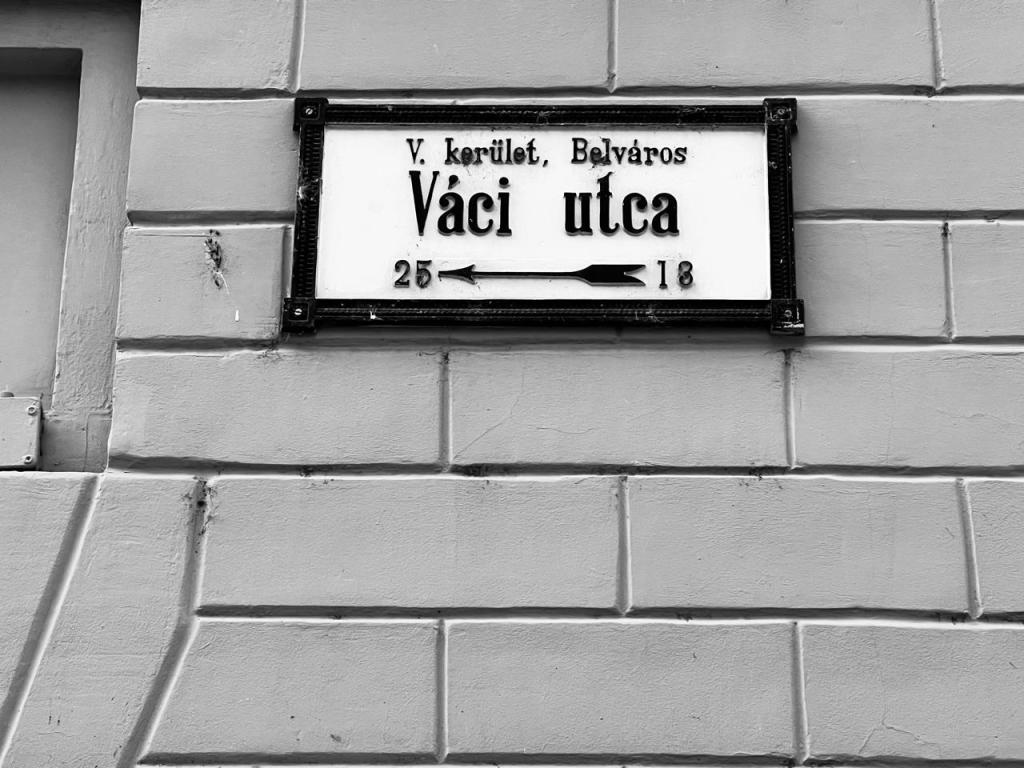
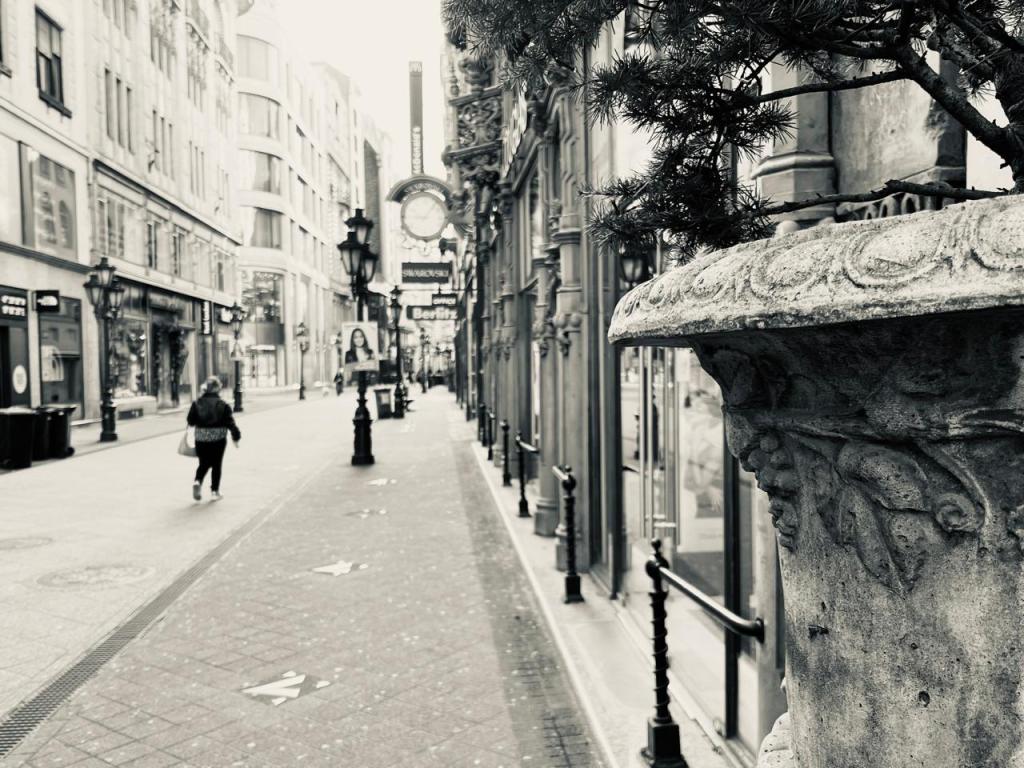
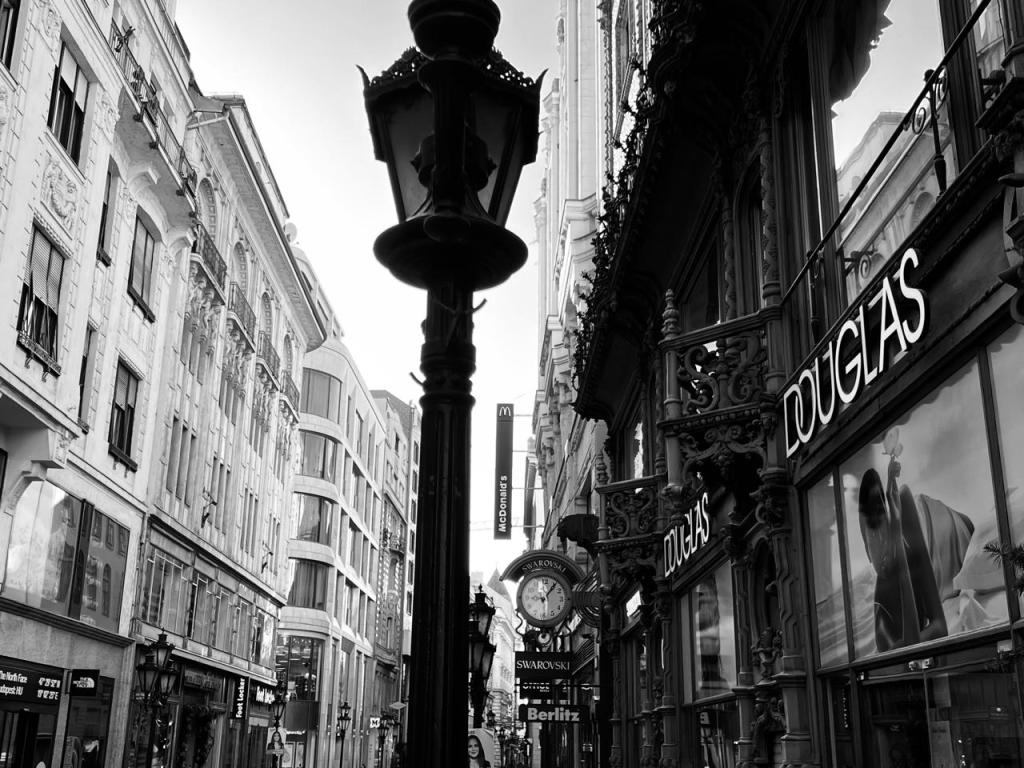
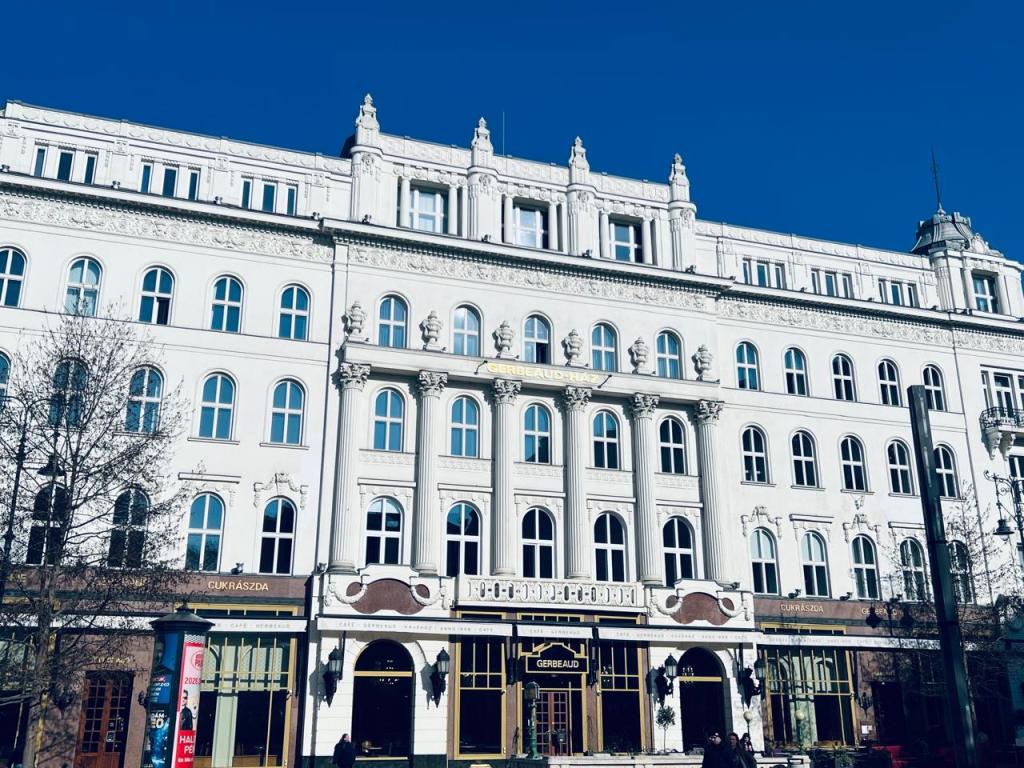
On the Pesta side we have the already mentioned Parliament, walking district like Vaci street that leads all the way to the popular Nagycsarnok- Central Market Hall with traditional hungarian (Magyar) dishes, dry meat, honey and other representative food delicacies shops, as well as the souvenir shops that always include dry paprika powder- the main ingredient of almost all dishes including the most famous goulash. Goulash is a slow cooked beef with tomato sauce and paprika seasoning with mashed potato on a side (there are many variations especially with the side part). Magyar cuisine is one of the most delicious ones, and it can be very spicy. Hungarian kolbasz (beef and pork sausage) is traditionally cooked and smoked but there are also many types of kolbasz, sujuk smoked and dried from many types of meat.

Walking all the way until the end of Rakoczi street (ex Hatvani ut) you will get to the main Train station if you want to explore more of the Hungary. But if you continue to the left- you will enter the gorgeous heritage boulevard - Andrassy ut where the embassies, museums, opera and University of Fine Arts are meeting with the Hosok tere, City park, Budapest Zoo and Botanical garden- all at one place at the end of this avenue under which is the old metro running trough. Hősök tere or Heroes' square is a memorial stone of unknown and known heroes- soldiers and Magyar leaders who died for the freedom of this strong country.

Following the next years I will be visiting this city again and will be writing in more details about each monument, observation and place.

 Down the Horizon
Leave a comment